
(That You Can’t Learn Anywhere Else)
Flying in a Florida summer is often talked about like it’s something to manage or work around.
The heat. The humidity. The daily thunderstorms.
But for pilots in training, the reality is very different.
The summer weather impacts on flying in Florida aren’t just challenges—they’re opportunities. Opportunities to build real-world experience, sharpen decision-making, and develop the kind of awareness that separates good pilots from great ones.
In places where the weather rarely changes, training can feel predictable.
In Florida, it never is.
Learning to Respect Weather—Early
One of the first lessons you learn when flying in a Florida summer is simple:
Weather is not static.
A clear, calm morning can quickly evolve into towering cumulonimbus clouds by mid-afternoon. That shift forces student pilots to stay engaged—not just during flight, but before and after it.
Instead of relying on routine, you begin to understand:
- How to interpret weather briefings beyond the surface level
- Why timing your flight matters just as much as planning it
- How fast conditions can change—and how to anticipate that
The result? You’re not just checking the weather. You’re thinking through it.
Thunderstorms and Real-Time Decision Making
Afternoon storms are a defining part of flying in Florida summer conditions.
And while they’re often predictable in timing, they’re not something you simply ignore.
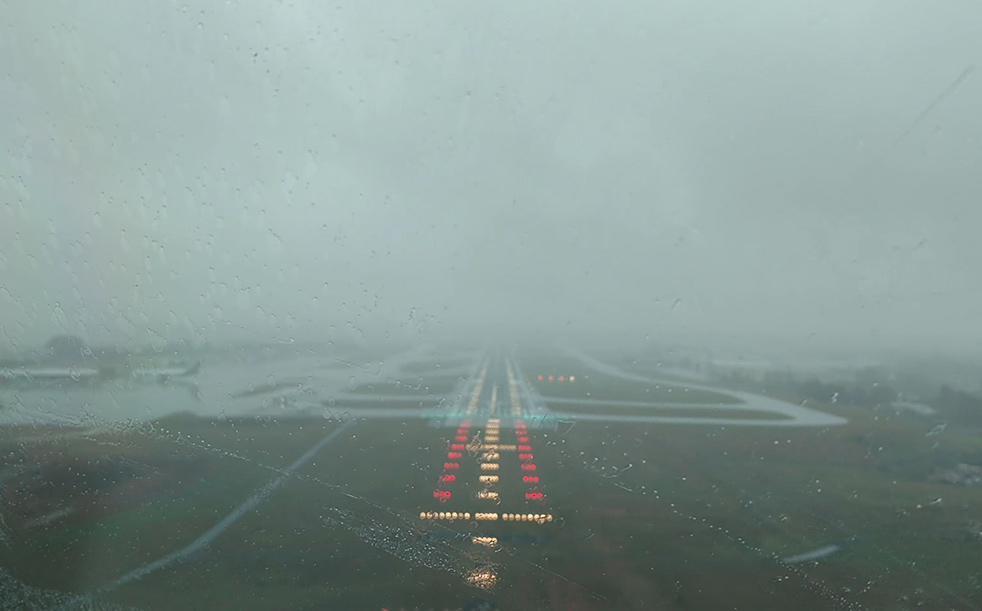
They introduce real decisions:
- Do you delay your flight or move it earlier?
- Is a reroute the safer option?
- When is it time to call the flight altogether?
These aren’t theoretical scenarios from a textbook.
They’re real-world judgments made in real time—exactly the kind of experience that builds confidence and professionalism early in training.
Why Florida Is Ideal for Instrument Flight Rules (IFR) Training
For pilots pursuing a professional career, instrument proficiency is essential. Flying in Florida summers has major advantages for building IFR hours.
Frequent cloud layers, reduced visibility, and evolving conditions provide:
- More opportunities for actual instrument flight time
- A deeper reliance on instruments over visual references
- A stronger understanding of spatial orientation
Instead of simulating instrument conditions, you’re often training within them. That distinction matters. While simulators are a great flight tool, there is nothing like the real deal experience in-flight. Confidence in instrument flying doesn’t come from theory—it comes from repetition in actual conditions.
Heat, Density Altitude, and Aircraft Performance
One of the most overlooked summer weather impacts on flying in Florida is temperature. Hot air is less dense—which directly affects aircraft performance. What does that look like in flight practice?
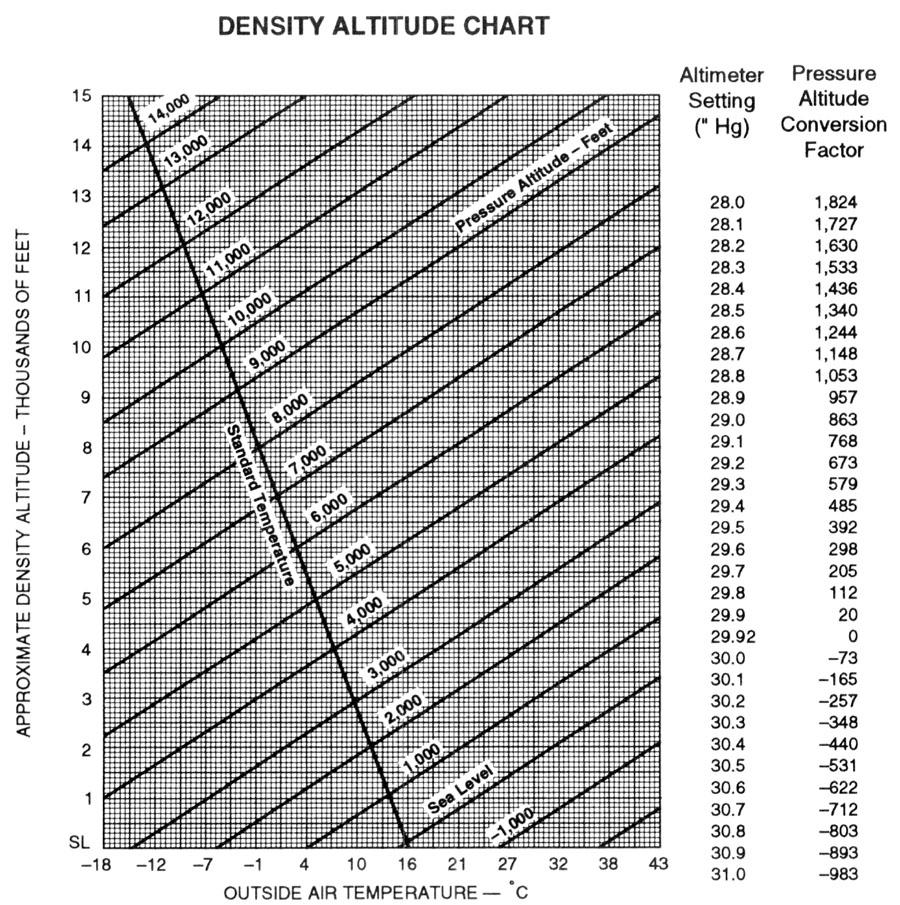
- Longer takeoff distances
- Reduced climb performance
- Greater attention to weight and balance
Training in these conditions teaches pilots to:
- Run more precise performance calculations
- Understand aircraft limitations in real scenarios
- Make smarter go/no-go decisions
It’s not just about flying—it’s about understanding how the aircraft responds to the environment. These skills are built in the beginning of your training as a student pilot but will be useful through your lifelong career.
The Skill That Ties It All Together: Adaptability
At the end of the day, flying in a Florida summer teaches one core skill: Adaptability.
Not every flight goes exactly as planned and the pilots who succeed long-term aren’t the ones who trained only in perfect conditions. Pilot’s with long and successful careers know how to:
- Adjust plans confidently
- Evaluate risk in real time
- Stay calm under changing conditions
Florida doesn’t just teach you how to fly, it teaches you how to think like a pilot.
Train Where It Challenges You
It’s easy to assume that perfect weather creates the best training environment. While Florida does offer more days of clear skies and sun as opposed to many other environments, these summer conditions can be a necessary challenge for building great pilots.
In reality, it’s the variety—the unpredictability—that builds stronger, more capable pilots.
Flying in a Florida summer offers:
- Consistent flying opportunities year-round
- Exposure to a wide range of weather conditions
- Real-world experience earlier in training
And that combination is what prepares you for a professional aviation career.
Start Training with Purpose
At Paris Air Flight Academy, students train in an environment that challenges them to grow—not just as pilots, but as decision-makers. Because learning to fly isn’t just about logging hours, it’s about building the skills you’ll rely on for the rest of your career.
Contact us today to schedule your discover flight or apply now to start your flight training.