
“How much do pilots make?”
It’s one of the first questions aspiring aviators ask—and for good reason. Choosing a career path is a major decision, and understanding the financial trajectory is a key part of that process.
The truth is, pilot salaries aren’t static. They grow significantly over time, following a clear progression from entry-level roles to high-earning airline captain positions. While the early stages require patience and dedication, the long-term earning potential is one of the most attractive aspects of the aviation industry.
In this guide, we’ll break down pilot salaries at every stage—from your first job as a flight instructor to becoming a major airline captain. We’ll also explore how location impacts earnings and what you can realistically expect in your first decade as a pilot.
Stage 1: Flight Instructor (CFI)
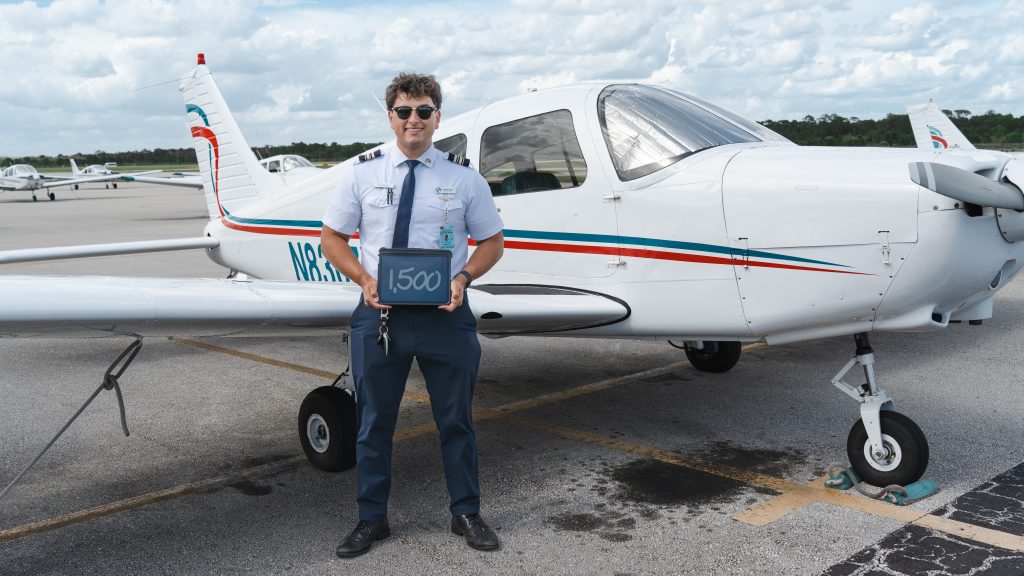
Average Salary: $35,000 – $65,000 per year
For most pilots, the first paid role in aviation is becoming a Certified Flight Instructor (CFI). This stage is less about maximizing income and more about building flight hours and experience.
To qualify for airline positions, pilots in the United States typically need around 1,500 flight hours. Working as an instructor allows you to get paid while accumulating those hours.
Beyond logging time, instructing is one of the most valuable phases of your development. Teaching students forces you to deepen your understanding of flight principles, communication, and decision-making—skills that directly translate to your future airline career.
Income at this stage can vary based on several factors:
- The size and activity level of the flight school
- Weather conditions (which affect flight frequency)
- Your personal schedule and availability
- Student demand
Training in a location with consistent flying conditions—like Florida—can make a noticeable difference. More flyable days mean more hours, which can lead to both faster progression and higher income during this phase.
Stage 2: Regional Airline First Officer
Average Salary: $60,000 – $100,000+ (Year 1–2)
After reaching the required flight hours, pilots can transition into airline roles as a First Officer (co-pilot), typically starting with regional airlines.
This is often the first major financial leap in a pilot’s career.
In recent years, regional airline compensation has increased significantly due to the ongoing pilot shortage. Many airlines now offer:
- Signing bonuses ranging from $10,000 to $50,000+
- Tuition reimbursement programs
- Guaranteed minimum monthly pay
For many pilots, this stage represents a doubling—or even tripling—of their income compared to instructing.
In addition to salary, pilots begin to enjoy lifestyle perks such as travel benefits, including free or heavily discounted flights for themselves and sometimes their families.
Stage 3: Regional Captain or Senior First Office
Salary Range: $80,000 – $150,000+
With more experience comes greater responsibility—and higher pay.
At this stage, pilots may either:
- Upgrade to Captain at a regional airline
- Continue as a senior First Officer with increased hourly pay
Upgrading to Captain is a significant milestone. It reflects not only accumulated flight hours but also demonstrated leadership and decision-making ability.
One of the most important concepts in aviation is seniority. Your position within an airline determines:
- Your pay rate
- Your schedule
- Your route assignments
- Your upgrade opportunities
As your seniority increases, so does your earning potential and quality of life.v
Stage 4: Major Airline First Officer
Salary Range: $120,000 – $250,000+
This is where aviation begins to offer truly high-income potential.
Pilots who transition to major airlines—such as Delta Air Lines, American Airlines, and United Airlines—experience a substantial increase in compensation.
At this level, pilots typically:
- Operate larger, more advanced aircraft
- Fly longer routes, including international flights
- Receive significantly higher hourly pay rates
Depending on hiring cycles and individual progression, many pilots can reach this stage within 5 to 10 years of starting their training—especially in today’s hiring environment.
Stage 5: Major Airline Captain
Salary Range: $250,000 – $500,000+
This is the peak of a pilot’s career and one of the most financially rewarding roles in the workforce.
Major airline captains are responsible for the aircraft, crew, and passengers, and their compensation reflects that level of responsibility.
Several factors influence earnings at this stage:
- Aircraft type (wide-body aircraft typically pay more)
- Years of service with the airline
- Route structure (international vs. domestic)
Senior captains flying international routes can earn well into the $400,000+ range annually, with some exceeding that depending on contracts and schedules.
Equally important, seniority often brings improved schedules, allowing pilots greater control over their time and work-life balance.
Does Pilot Salary Change by Location?
This is a common question—and the answer may surprise you.
1. Airline Salaries Are Not Location-Based
Major airline pilots are paid according to union contracts, not where they live.
That means a pilot based in Florida can earn the same base salary as a pilot based in New York or California. Pay is determined by factors like:
- Aircraft type
- Years of service
- Position (First Officer vs Captain)
—not geographic location.
2. Cost of Living Plays a Big Role
While salaries may be standardized, your spending power is not.
For example:
- A $150,000 salary in Florida can go significantly further than the same salary in a high-cost city like Los Angeles or New York.
This makes location an important lifestyle and financial consideration, even if it doesn’t directly change your paycheck.
3. Early Career Roles Are More Location-Dependent
During the flight instructor phase, location matters more.
Training in areas with:
- Better weather
- Higher student demand
- Busier flight schools
can lead to more consistent flying opportunities, which can increase income and accelerate your timeline to the airlines.
4. International vs U.S. Pilot Salaries
Pilots working for U.S.-based airlines generally earn more than those in many other countries.
While there are exceptions, the United States is widely considered one of the most financially advantageous places to pursue a pilot career, especially at the airline level.
How Fast Do Pilot Salaries Grow?
Pilot income follows a strong upward trajectory.
A realistic progression might look like this:
- Years 0–2: $35K–$65K (Flight Instructor)
- Years 2–4: $60K–$100K+ (Regional First Officer)
- Years 4–6: $80K–$150K+ (Regional Captain/Senior FO)
- Years 5–10: $120K–$250K+ (Major Airline First Officer)
- Years 10+: $250K–$500K+ (Airline Captain)
Few careers offer this level of income growth within a 10-year span—especially without requiring a traditional four-year degree path.
Is Becoming a Pilot Worth It Financially?
When evaluating any career, it’s important to consider both the investment and the return.
Flight training requires an upfront commitment of time, effort, and money. However, the long-term earning potential can significantly outweigh those initial costs.
Compared to many traditional career paths, aviation offers:
- A faster timeline to six-figure income
- Strong long-term salary growth
- High demand and job stability
- Opportunities for travel and lifestyle flexibility
For many, the return on investment is not just financial—but personal as well.
A career in aviation is built step by step.
While the early stages may require patience, they serve as the foundation for a career that can offer both financial success and personal fulfillment.
From your first paid flight as an instructor to commanding an aircraft as a captain, the journey is one of continuous growth—both professionally and financially.
Start Your Journey
At Paris Air Flight Academy, students receive structured, hands-on training designed to take them from their first flight all the way to a professional aviation career.
If you’re considering becoming a pilot, there’s never been a better time to start.