
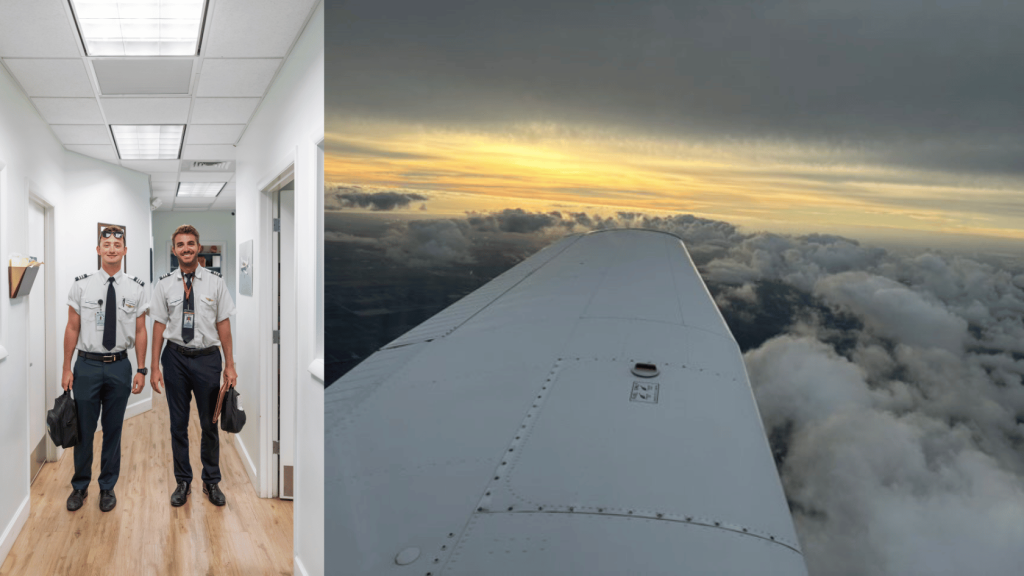
For many student pilots training in Florida, aviation often begins under blue skies, warm temperatures, and predictable weather patterns. Florida is an ideal environment to build strong foundational skills — but aviation doesn’t stop at state lines.
As pilots travel, relocate, or pursue aviation careers across the country, they will inevitably encounter cold weather flying conditions that introduce new challenges, procedures, and decision-making considerations. Understanding how cold temperatures, winter weather systems, and regional climates affect aircraft performance and flight safety is a critical step in becoming a well-rounded, confident pilot.
Whether you plan to fly north for a trip, move for advanced training, or pursue an airline or corporate career, here’s what every student pilot should know about cold weather flying before leaving the Sunshine State.
Why Cold Weather Flying Is Different
Cold weather flying is not simply “normal flying, but colder.” Winter environments introduce unique variables that directly impact aircraft performance, preflight inspections, weather briefings, and in-flight decision making.
Some of the biggest differences include:
- Ice and frost contamination
- Rapidly changing weather systems
- Reduced daylight hours
- Cold-weather engine and battery performance
- Runway and taxiway conditions
Understanding these factors before encountering them helps pilots stay ahead of risk rather than reacting to it.
Frost, Ice, and Contamination: A Serious Safety Concern
One of the most critical aspects of cold weather flying is aircraft contamination. Even a thin layer of frost on a wing can dramatically reduce lift and increase drag.
Why Frost Matters
- Disrupts smooth airflow over the wing
- Increases stall speed
- Reduces climb performance
- Can cause unpredictable handling
A common saying in aviation is: “Clean wing before takeoff.” In cold weather, this becomes non-negotiable.
Key Cold Weather Takeaways
- Frost must be completely removed before flight
- “It will blow off on takeoff” is a dangerous myth
- Aircraft stored outside overnight require extra inspection time
For Florida-trained pilots, frost may be unfamiliar — but ignoring it can have serious consequences.
Cold Temperatures and Aircraft Performance
Cold air is denser than warm air, which affects aircraft performance in important ways.
The Benefits
- Improved engine performance
- Shorter takeoff rolls
- Better climb rates
The Tradeoffs
- Engine oil thickens in cold temperatures
- Batteries lose efficiency
- Instruments may respond more slowly
- Control surfaces can stiffen
Cold weather flying often improves aerodynamic performance, but it also demands greater attention to mechanical readiness.
Density Altitude: Cold Air Isn’t Always “Easier”
Many student pilots associate density altitude issues with hot summer days. While cold air generally lowers density altitude, it does not eliminate performance planning.
Cold weather flying still requires pilots to consider:
- Aircraft weight and balance
- Runway length and surface conditions
- Wind components
- Obstacle clearance
Additionally, snow-covered or icy runways can significantly impact braking and directional control, even if takeoff performance improves.
Winter Weather Systems and Forecasting
Cold weather brings more dynamic and complex weather systems than many Florida pilots are used to seeing.
Common Winter Weather Factors
- Cold fronts with rapid weather changes
- Snow, freezing rain, and sleet
- Low ceilings and reduced visibility
- Icing conditions at various altitudes
Understanding winter weather patterns is essential for proper flight planning and risk management.
Weather Briefings Matter More Than Ever
In cold weather flying, pilots must pay close attention to:
- Freezing levels
- Icing forecasts
- Surface temperatures
- Trends, not just current conditions
A thorough weather briefing can mean the difference between a smooth flight and a dangerous situation.
Aircraft Icing: More Than Just Snow
One of the most serious hazards in cold weather flying is in-flight icing. Ice can form on wings, propellers, and air intakes when flying through visible moisture in freezing conditions.
Why Icing Is Dangerous
- Adds weight to the aircraft
- Reduces lift
- Increases drag
- Can block pitot tubes and air intakes
Many training aircraft are not approved for flight into known icing conditions, making avoidance the primary strategy.
Cold weather flying requires pilots to understand:
- Where icing is likely to occur
- How to recognize early signs of ice accumulation
- When to divert or cancel a flight
Shorter Days and Reduced Visibility
Winter flying often means fewer daylight hours, especially in northern regions. This impacts both training and real-world flying.
Considerations for Student Pilots
- More night operations by default
- Reduced visual cues during takeoff and landing
- Greater reliance on instruments
For pilots transitioning from Florida, where daylight is plentiful year-round, this adjustment can be significant.
Cold Weather Preflight: More Time, More Detail
Cold weather flying requires a slower, more deliberate preflight inspection.
Additional Preflight Checks Include:
- Inspecting for frost, snow, or ice
- Checking fuel vents for blockages
- Verifying control surfaces move freely
- Ensuring proper oil viscosity
- Confirming battery health
Rushing a winter preflight can easily lead to missed issues that would never appear in warm weather.
Decision-Making Is the Real Skill
While cold weather flying introduces new procedures and technical knowledge, the most important skill remains the same: Aeronautical Decision Making (ADM).
Strong pilots know:
- When conditions exceed personal minimums
- When to delay, divert, or cancel
- How to separate “legal” from “smart”
Cold weather magnifies small mistakes. Conservative decisions often lead to the best outcomes.
Training in Florida, Flying Everywhere
Florida offers an excellent environment for flight training, allowing students to focus on fundamentals without constant weather disruptions. However, great training programs prepare pilots for more than just local conditions.
Understanding cold weather flying concepts helps pilots:
- Travel safely beyond their training region
- Transition into advanced ratings
- Prepare for professional aviation careers
Well-rounded pilots don’t just know how to fly — they know how to adapt.
Cold weather flying doesn’t have to be intimidating. With proper education, preparation, and respect for changing conditions, pilots can safely and confidently operate in winter environments.
For student pilots trained in warmer climates, learning about cold weather flying before encountering it in real life builds confidence, judgment, and professionalism. Aviation is a lifelong learning process, and every new environment adds depth to a pilot’s skill set.
No matter where your aviation journey takes you, preparation always starts on the ground.